Microclimate Velocity
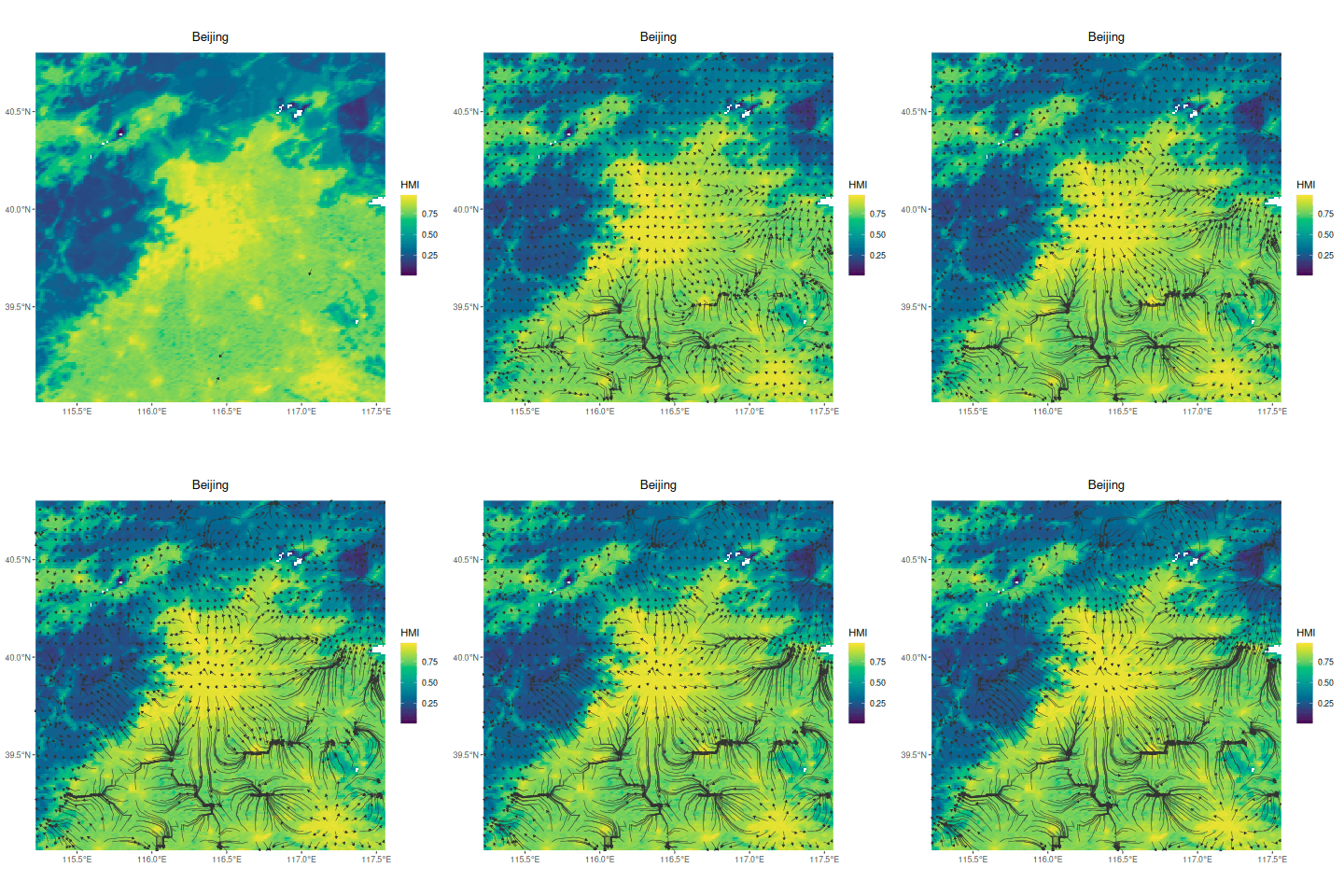
Climate velocity can be used as a proxy for measuring exposure to climate change, and is calculated as the temporal rate of climate change divided by the spatial rate of climate change. However, velocity has typically been quantified using macroclimate maps, which do not accurately represent the temporal or spatial rates of climate change experienced by terrestrial organisms. Through a series of projects, I have been using microclimate maps that represent near ground and within-canopy climate conditions to approximate climate velocity in two-dimensions across the land surface, and in three-dimensions within the forest canopy.
In our first paper, we mechanistically modelled 3D microclimates in the northern mountain range of Trinidad and used the subsequent maps to quantify climate velocity. We found that accounting for spatial microclimate variability slows velocities regardless of the spatial resolution and alters the direction of velocities. Notably, at fine resolutions, microclimate velocities were directed toward denser vegetation in addition to higher elevations. This has important implications for range shifting species, as it suggests that they may be able to use local microclimate variability to modify exposure to changing climates. See our publication in Nature Climate Change here.
Now I am exploring similar questions at a global scale in collaboration with Dave Klinges.
Publications
