3D Microclimate Ecology and Biogeography
“I have lately been especially attending to Geograph. Distrib, & most splendid sport it is,-a grand game of chess with the world for a Board.” -Darwin to C.J.F Bunbury, 21 April 1856
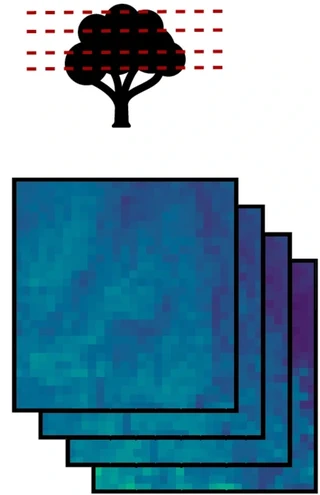
Darwin elegantly expresses the objectives of biogeography as a game of chess. Biogeographic analyses generally relate gridded maps of climate to ecological data to understand the distributions of species and biodiversity from local to global scales. But do these two-dimensional maps portray the complexities of biogeographic patterns? Rather than varying in two-dimensions across the land surface, climate variaties in three-dimensions across the land surface and from the ground to the canopy. Through this project, we explore how this three-dimensional view of climate space my improve our understanding of biogeographic pattern and process.
Main questions: How do vertical climate gradients influence global biogeographic patterns and species’ responses to climate change?
How does the interaction between plant functional traits and vertical climate gradients impact epiphyte distributions?
Collaborators
Microclimate ecology and biogeography network, Scheffers lab
Publications
Coming soon - Climate and vertical structure universally pattern biodiversity across scales
